Engineered for Clarity.

StructurePath didn't start in a boardroom. It began in a high-density computer science lab in Berlin, where our founders—then students—observed a recurring failure: gaming applications were becoming visually stunning but architecturally fragile.

The vision was simple: create a "StructurePath"—a clear, documented, and modular way to build gaming ecosystems that don't collapse under their own feature weight. We moved from building simple level editors to creating complete foundational frameworks for the modern gaming market.
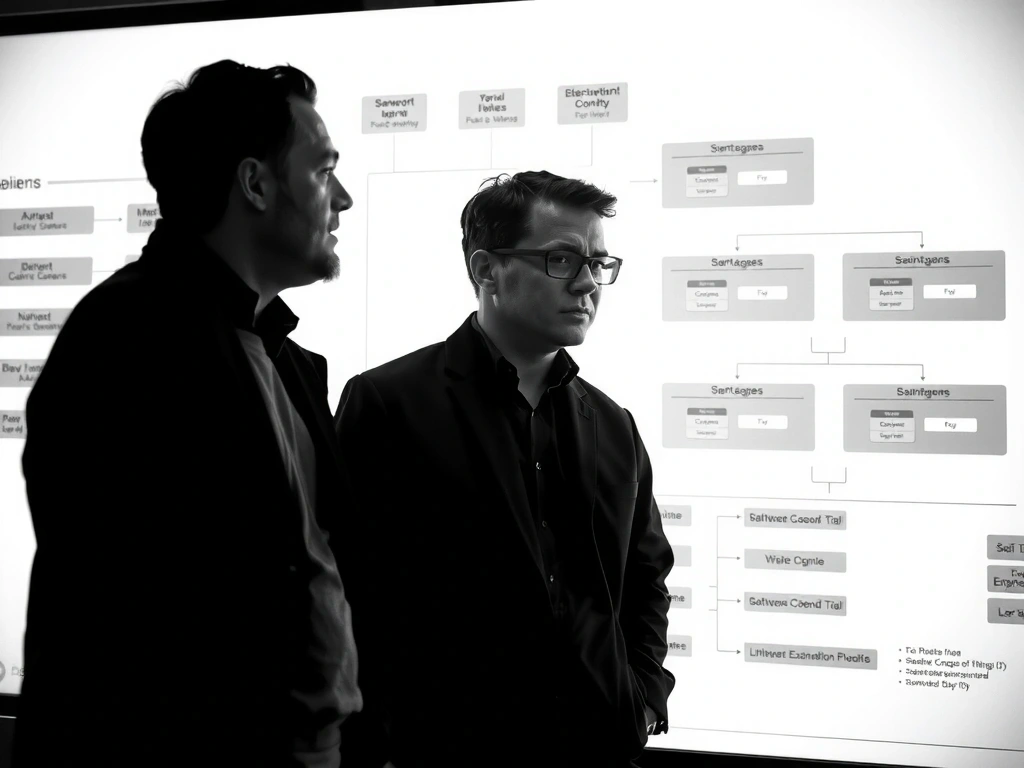
The Founders at Work
Archive Log: 2024_Foundry_Session

Decision Lens: Our Architectural North Star

What we Optimize for:

  • Long-term maintainability over rapid prototyping.
  • Asset versioning stability for distributed teams.
  • Cross-platform performance for mid-range hardware.

What we Sacrifice:

  • Flashy, non-standard UI elements that break UX.
  • Proprietary lock-in formats (we use open standards).

Culture of Documentation.

We operate as a remote-first collective. This isn't a trend; it's a strategic choice. By sourcing talent from three continents, our tools are inherently designed for high-latency collaboration and cloud-based asset management.

Our leadership includes AAA veterans who have faced the specific burnout that comes from "spaghetti code" in large studios. At StructurePath, we prioritize technical debt management as much as feature development.

Lead Designer

Elena Vogt

Chief Design Officer


Specialist in friction-free UX for high-complexity gaming apps.

Unity Architect

Marcus Baum

Lead Unity Architect


Optimizing memory overhead for mid-range European and Asian devices.

Backend Architect

Sara Schmidt

Backend Systems Lead


Implementing GDPR-compliant analytics workflows for global titles.

Strategic Trade-offs

Focus Area
Benefit vs. Cost
Visual Fidelity
We prioritize stable framerates on battery-constrained devices over "cinematic" overkill. Result: Higher user retention in target mid-tier markets.
Monetization
We avoid aggressive interstitials in favor of deeper game-pass mechanics. Result: Lower LTV initially, but significantly higher 30-day retention.
TERM_01

Modular Scaffolding

A coding approach where components are independent. "The industry calls it flexible; we call it a survival requirement for v2.0 updates."

TERM_02

Friction Audit

The process of identifying UX "chokepoints" in the onboarding flow. "Stop making users register before they've even seen the main menu. It's user-hostile."

TERM_03

Asset Versioning

Tracking changes specifically for 3D game objects and logic trees. "Standard Git isn't enough for binaries. You need visible, visual history logs."

TERM_04

Thermal Throttling

The point where high-end graphics degrade performance due to heat. "Optimization isn't about peak speed; it's about sustained playability."

Common Failure Modes in Application Design

MODE_01: FEATURE BLOAT

Attempting to solve too many problems at once leads to a "flat" experience. We advocate for choosing one primary engine capability and perfecting it before launch.

MODE_02: COMPLIANCE LAST

Treating GDPR or App Store Policy v4.2 as an afterthought. This leads to emergency rewrites and launch delays. We integrate compliance into the blueprint phase.

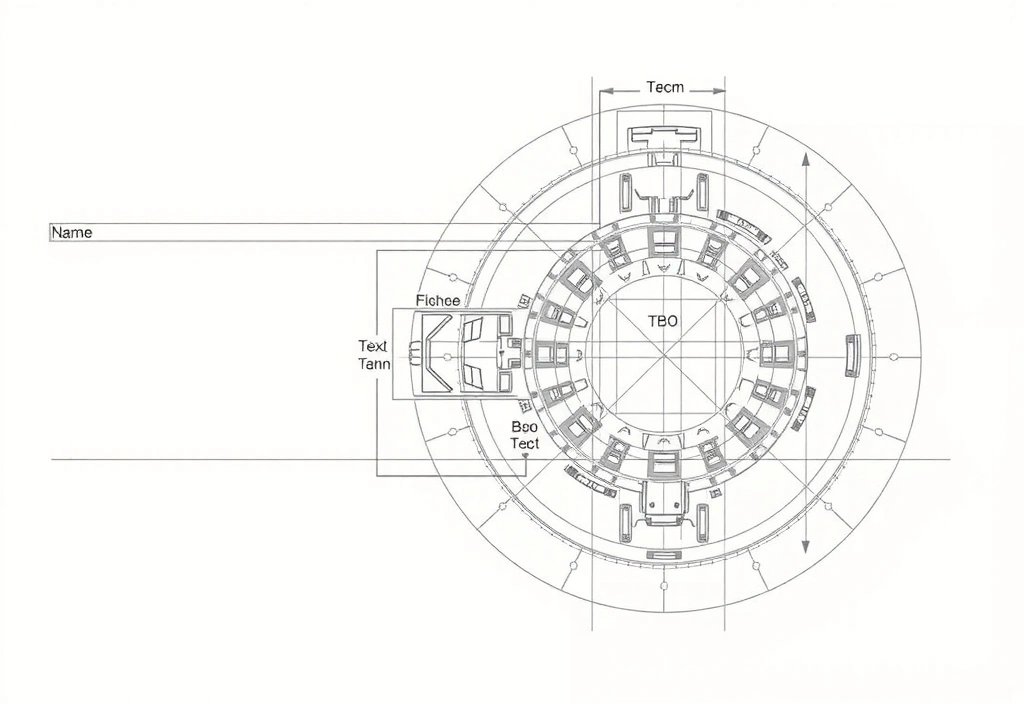
Technical Blueprint

STRUCTUREPATH CORE MANIFESTO

"Power is useless without a path to structure it."

Want to build on a better foundation?

STRUCTURE_PATH_SYSTEMS_ENGAGED BERLIN_DATA_HUB v2.0.26_STABLE