Technical Game Schematic
Systems: Linear / Status: Optimized

Engineering
The Digital
Fluidity.

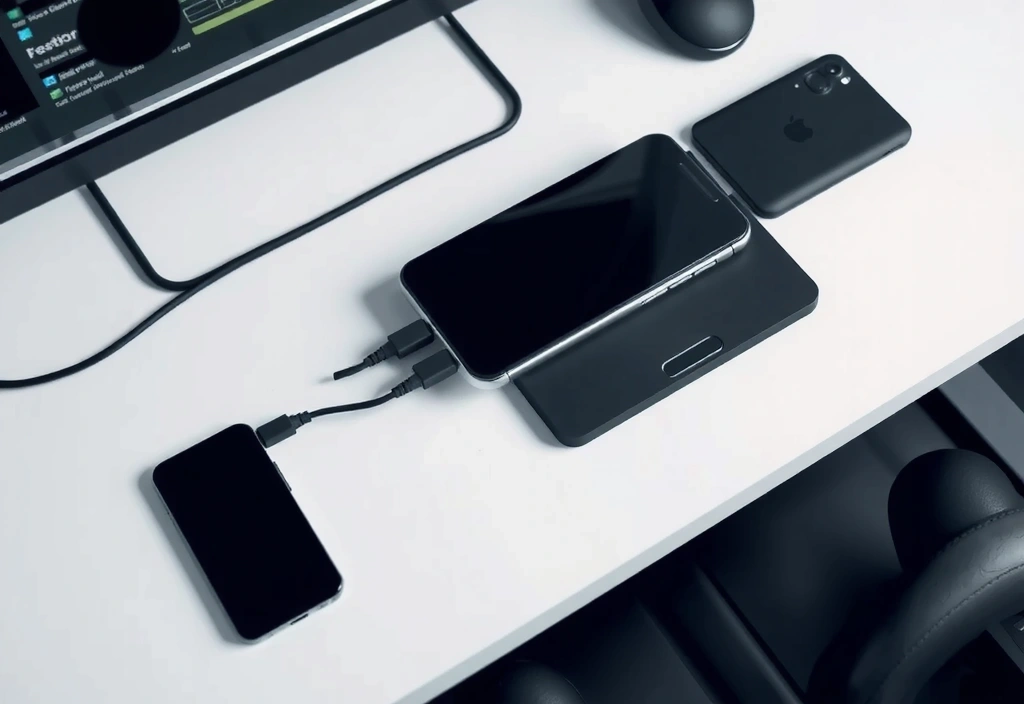
StructurePath defines the intersection of architectural precision and mobile engagement. We don't build games; we architect interactive systems where 120Hz responsiveness meets uncompromising visual logic.

Explore Applications v.2026.0.4 Built for Mobile

The Architecture of Engagement

Premium gaming applications often fail in the transition from concept to device thermal limits. At StructurePath, we treat the mobile viewport as a high-performance workspace. Every inventory grid, skill tree, and radar map is stress-tested against the cognitive load of the player. We believe that a game’s beauty is not just in its shaders, but in the structural scaffolding that supports intense interaction.

Take, for instance, the tactile response required for a rhythm-based RPG. It isn't just about haptics; it’s about the 100ms window where visual cues, sound design, and input-buffer management converge. We call this "The Pulse Logic." By reducing the delay between intent and execution, we create games that feel less like software and more like an extension of the player’s reflexes.
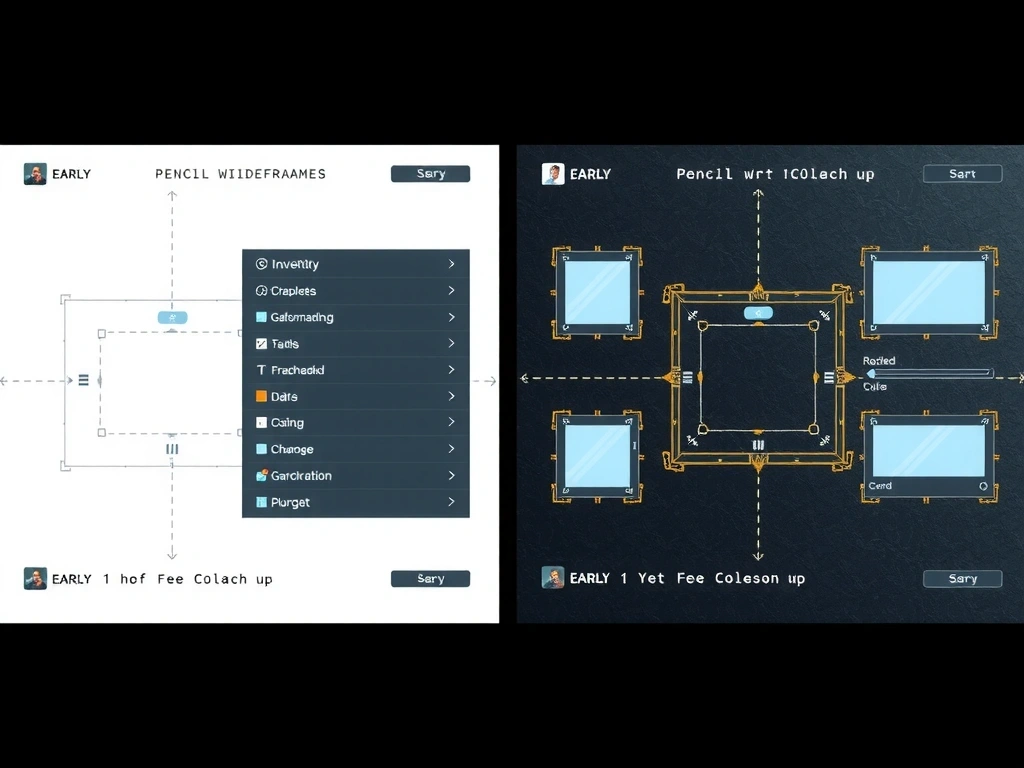
Evolution of UI Clarity

Fig 1.0 — From Wireframe Scaffolding to Final Render Polish

Designing for the German market and broader EU requires more than aesthetic taste; it demands technical compliance. Every application in our showcase follows strict GDPR-compliant data flows and is optimized for the diverse hardware ecosystem found across Central Europe—ensuring that premium performance isn't locked behind the latest flagship device.

03/05 — ENGINE LOGIC RAIL

How Systems Respond.

A breakdown of the logic flow governing mobile performance within our curated apps.

Input

Trigger Event

Multi-Touch Vector

System Response

Input polling scales to 240Hz. Collision detection matrices are recalculated in parallel to the render thread to ensure zero visual stutter during rapid panning.

Constraint

Latency must stay < 12ms to prevent decoupling between user physical movement and screen reaction.

Processing

Trigger Event

Geometry Draw Call

System Response

Dynamic Level of Detail (LOD) shifts vertex counts based on thermal throttling thresholds. Shaders are compressed to minimize VRAM pressure on mid-tier GPUs.

Constraint

Battery drain cannot exceed 1% per 10 minutes of active play during peak graphical load.

Outcome

Trigger Event

Tactile Output

System Response

Haptic triggers are synced with 3D spatial audio buffers. The outcome is a focused 'sensory strike' that confirms successful action without audio-visual lag.

Constraint

OS-level background processes must not interrupt haptic execution priority.

StructurePath: Efficiency first. Minimize HUD friction. Maximal technical integrity. No bloat. No noise. StructurePath: Efficiency first. Minimize HUD friction.
04/05 — CURATED CASE STUDIES

The Proof of Concept.

Neon Drift UI
Genre: Arcade Racer

Neon Drift: Speed of Pulse

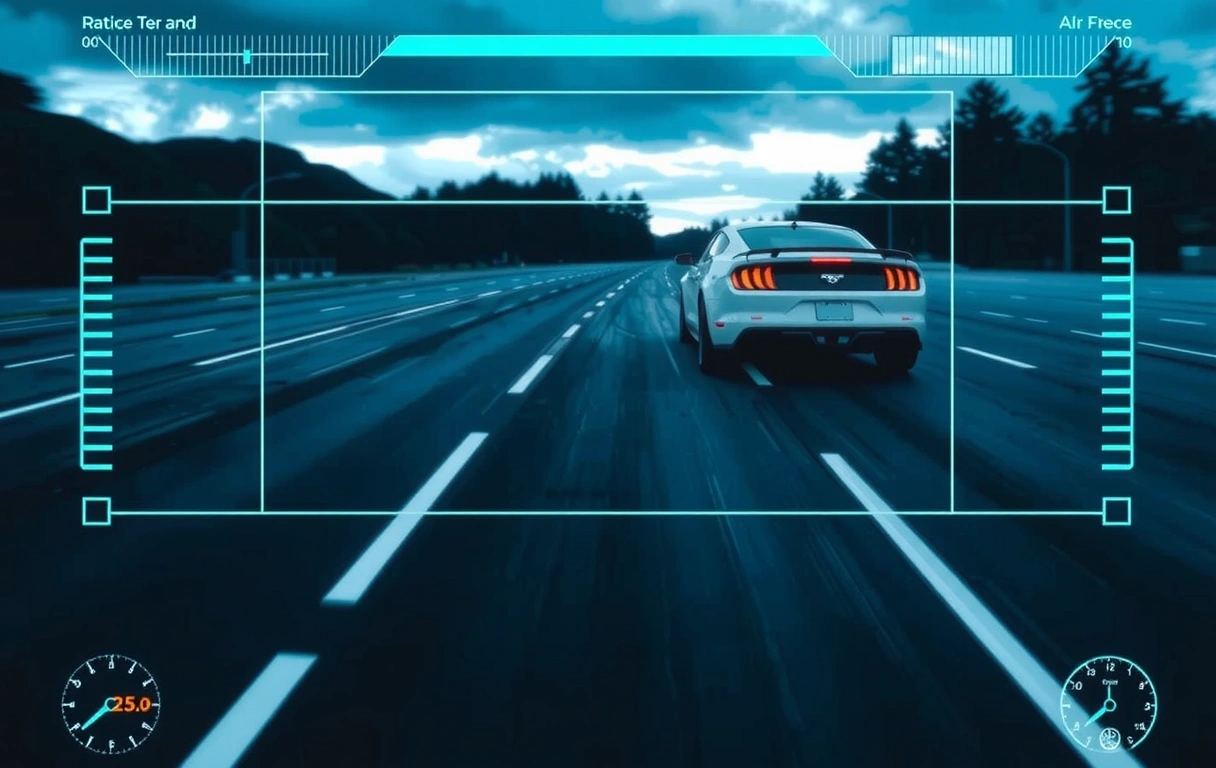
Solving the problem of touch-screen precision in high-velocity simulations. Implements a proprietary steering algorithm that predicts player intent based on swipe velocity.

Technical Specs
Zen Logic UI
Genre: Logic Puzzle

Zen Logic: Minimalist Flow

Focus on sensory feedback. The 'clink' of virtual blocks is calibrated to evoke a physical tactile memory, reducing game-fatigue and increasing player session length.

Technical Specs

Glossary of Standards

Frictionless OOBE

Out-Of-Box Experience. If a user spends more than 4 seconds on a loading spinner without a visual story, you've lost 30% of your audience. Logic must be immediate.

Spatial Luma

The use of light to guide player gaze. Traditional tutorials are crutches; good structure uses contrast to signal 'Path'.

Asset Sharding

Our method for delivering 4K textures on 2GB RAM devices. It is a mandatory engineering trade-off for accessibility.

Inter-frame Sync

Ensuring audio/visual/haptic triggers hit the same millisecond. Anything less is a failure in premium application design.

05/05 — BOUNDARIES

The Reality Check.

Project Assumptions & Limits

— Hardware Boundaries

  • 01 We assume a baseline of Snapdragon 700-series performance.
  • 02 Thermal throttling is treated as a primary game-state trigger.

— Regulatory Environment

  • 03 strict compliance with EU-GDPR and German consumer protection laws.
  • 04 No 'dark patterns' in monetization logic; clear value-for-time exchange.

Note: We would change our view if core engine stability (Unity/Unreal) shifts significantly or if new EU-level regulatory frameworks alter mobile distribution.

Testing Environment

Robustness Evaluation

How we determine if a concept is 'premium': We don't use arbitrary 'fun factor' metrics. We evaluate by Friction Audits. We measure the delta between player intent and system execution across 50 simulated hardware configurations. If the latency variance exceeds 4ms, the design is rejected.

This engineering-first approach ensures that when we showcase an application, it is ready for the rigors of mass-market deployment without sacrificing its artistic core.

Ready to see
the flow in action?

Contact our Berlin studio for architectural consulting or deep-dive technical benchmarks.

Initiate Inquiry

Office Hours: Mon-Fri: 9:00-18:00